.png)


VERA LIFE PICKS
Real Sweeteners Worth using:
And Why Conventional Sugar Isn't One of Them
Conventional cane sugar is one of the most chemically treated crops. It’s often sprayed with pesticides like glyphosate, atrazine, and 2,4-D—all linked to environmental and health risks. Many farms also burn the fields before harvest, releasing toxins like benzene and formaldehyde into the air. After harvest, chemicals like sulfur dioxide and bone char may be used to bleach and whiten the sugar—making it neither clean nor vegan.
Some links are affiliate links, meaning I may earn a small commission if you purchase through them. I only recommend products that are low-toxin — free from unnecessary chemicals, pesticides, and seed oils — the same things I choose for my own home.
Organic Raw Cane Sugar
Organic raw cane sugar is a minimally processed sweetener. It retains a hint of natural molasses, giving it a light golden color and subtle caramel flavor. It measures and bakes like regular sugar—but it’s still sugar, so use it in moderation to avoid blood sugar spikes and inflammation.
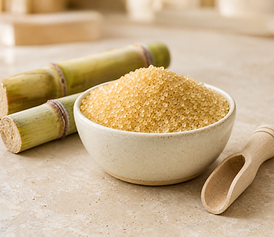
Organic Cane Sugar
Organic sugar tastes and functions just like regular table sugar—it sweetens the same, measures equally in recipes, and dissolves well, but comes from cleaner, chemical-free sources.

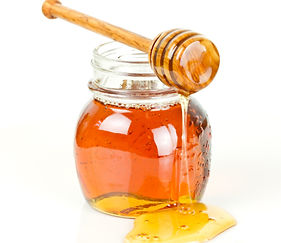
Raw Honey
Raw honey keeps its enzymes, antioxidants, and trace nutrients—plus a little pollen that may help with allergies. Processed honey, on the other hand, is often heated, filtered, and sometimes mixed with added sugars.
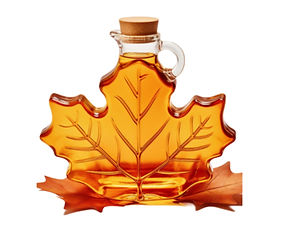
Maple Syrup
Pure maple syrup has a little more to offer—like antioxidants and trace minerals (manganese and zinc). It’s still sugar, but it’s a more nutrient-dense choice than refined or fake syrups. Just stick with 100% pure, and use it sparingly.
Non-organic maple syrup may contain minor residues from defoamers, though amounts are extremely small.